
Introduction
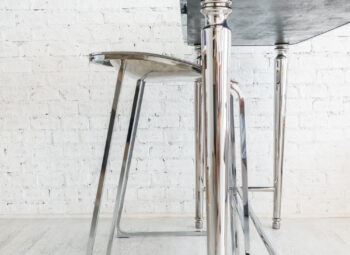
Walk into a luxury hotel, glance at a modern elevator, or admire a sleek stainless steel dining table, and you’ll notice one thing immediately—the shine. That smooth, reflective finish doesn’t happen by accident. Behind every stunning stainless steel product lies a crucial manufacturing process known as buffing.
Buffing is much more than making stainless steel look attractive. It enhances durability, improves corrosion resistance, increases hygiene levels, and adds significant commercial value to the final product. In today’s competitive manufacturing landscape, customers expect perfection, and buffing helps manufacturers deliver exactly that.
Whether you’re a fabricator, manufacturer, architect, furniture producer, or simply curious about metal finishing techniques, this comprehensive guide explains how buffing transforms ordinary stainless steel into premium-quality products.
Understanding Buffing in Stainless Steel Manufacturing
Buffing is often considered the finishing touch that separates average products from exceptional ones.
What is Buffing?
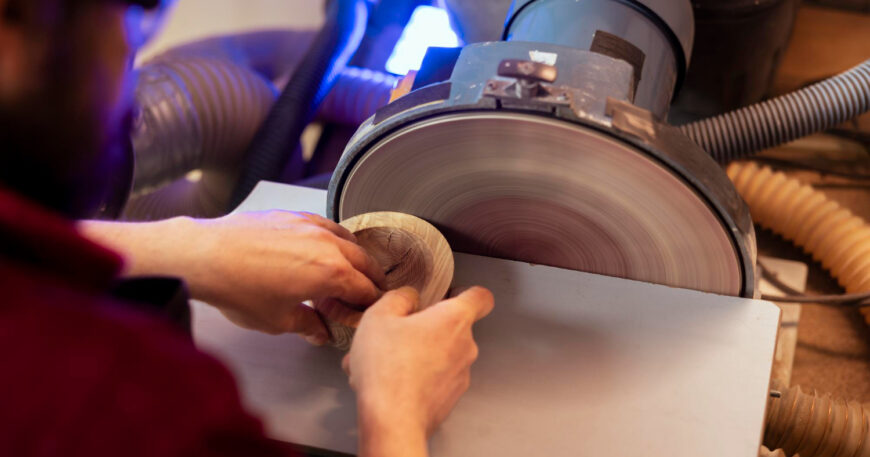
Buffing is a mechanical finishing process that uses rotating wheels, abrasive compounds, and polishing materials to smooth and refine stainless steel surfaces.
The primary objectives of buffing include:
- Removing scratches
- Eliminating surface imperfections
- Enhancing reflectivity
- Creating a smooth texture
- Improving aesthetic appeal
Think of buffing as applying the final coat of wax to a luxury car. The vehicle already functions perfectly, but the shine elevates its appearance to an entirely new level.
Why Buffing Matters
In stainless steel fabrication, first impressions matter.
A poorly finished sheet or pipe may function adequately, but visible scratches and dull surfaces can negatively impact customer perception.
Buffing contributes to:
- Superior product aesthetics
- Increased customer satisfaction
- Enhanced marketability
- Longer service life
Simply put, buffing turns functionality into craftsmanship.
The Science Behind Buffing
At first glance, buffing may seem like a simple polishing task, but there’s fascinating science involved.
Surface Roughness Reduction
Stainless steel surfaces naturally contain microscopic peaks and valleys formed during rolling, cutting, welding, or fabrication.
Buffing gradually removes these irregularities.
Benefits include:
- Reduced friction
- Improved smoothness
- Easier cleaning
- Enhanced durability
The smoother the surface, the lower the chances of contaminants accumulating.
Reflection and Shine Enhancement
Ever wondered why mirror-finished stainless steel resembles glass?
Buffing aligns the surface texture at an extremely fine level, allowing light rays to reflect uniformly.
This creates:
- Brilliant shine
- High reflectivity
- Premium visual appeal
For decorative applications, this effect can dramatically improve perceived quality.
Different Types of Buffing Processes
Not all buffing methods produce the same results.
Manufacturers choose techniques based on the desired finish.
Cut Buffing
Cut buffing focuses primarily on material removal.
It helps eliminate:
- Weld marks
- Grinding lines
- Surface blemishes
- Minor dents
This stage prepares the surface for finer finishing processes.
Color Buffing
Color buffing aims to improve brightness.
Characteristics include:
- Enhanced luster
- Reduced haze
- Uniform appearance
It is commonly used in furniture manufacturing and architectural applications.
Mirror Buffing
Mirror buffing produces the highest-quality finish.
Products undergoing mirror buffing often achieve near-perfect reflectivity.
Examples include:
- Decorative panels
- Hotel interiors
- Elevators
- Luxury furniture
Mechanical Buffing
Mechanical buffing relies on manually operated machinery.
Advantages include:
- Flexibility
- Detailed finishing
- Better control
However, it may require skilled labor.
Automated Buffing Systems
Automation has revolutionized stainless steel finishing.
Modern systems offer:
- Consistent quality
- Faster production
- Reduced labor costs
- Improved precision
Large-scale manufacturers increasingly invest in robotic buffing solutions.
Buffing Materials and Equipment
Quality buffing depends heavily on the tools used.
Buffing Wheels
Different wheels produce different finishes.
Common types include:
Cotton wheels
Sisal wheels
Felt wheels
Flannel wheels
Each wheel serves a specific purpose during various stages of finishing.
Buffing Compounds
Compounds act as abrasives.
Popular compounds include:
- Brown compounds
- White compounds
- Green stainless steel compounds
- Rouge compounds
Selecting the correct compound significantly affects final surface quality.
Benefits of Buffing Stainless Steel Products
Buffing offers much more than visual enhancement.
Improved Appearance
Shiny surfaces naturally attract attention.
Buffed stainless steel provides:
- Elegant aesthetics
- Modern appeal
- Professional appearance
For furniture manufacturers, appearance often influences purchasing decisions.
Enhanced Corrosion Resistance
Smooth surfaces resist moisture retention.
Benefits include:
- Reduced rust formation
- Improved oxidation resistance
- Longer lifespan
Buffing strengthens stainless steel’s natural protective properties.
Better Hygiene Standards
Hygiene is critical in many industries.
Buffed surfaces prevent:
- Dirt accumulation
- Bacterial growth
- Food contamination
This makes buffed stainless steel highly suitable for:
Hospitals
Pharmaceutical facilities
Commercial kitchens
Food processing plants
Increased Product Value
High-quality finishes justify premium pricing.
Customers often associate shine with quality.
Manufacturers benefit from:
- Higher profit margins
- Brand recognition
- Competitive advantage
Buffing transforms products into premium offerings.
Industries That Depend on Buffed Stainless Steel
Numerous sectors rely heavily on buffed stainless steel.
Industries include:
Furniture Manufacturing
Products include:
- Dining tables
- Cabinets
- Shelving units
Architecture
Applications include:
- Handrails
- Facades
- Decorative panels
Healthcare
Used for:
- Surgical equipment
- Medical carts
- Laboratory furniture
Hospitality
Hotels prefer buffed finishes because they enhance luxury aesthetics.
Examples include:
- Elevator interiors
- Reception counters
- Restaurant furnishings
Buffing vs Polishing: Understanding the Difference
Many people use these terms interchangeably.
However, they are distinct processes.
| Buffing | Polishing |
| Creates shine | Removes imperfections |
| Uses softer wheels | Uses abrasives |
| Final finishing stage | Preparation stage |
| Produces reflective surfaces | Produces smoother surfaces |
Think of polishing as sanding wood and buffing as applying the final glossy varnish.
Both processes complement each other.
Factors Affecting Buffing Quality
Several variables influence results.
Operator Skill
Experienced technicians understand:
- Pressure control
- Compound selection
- Surface consistency
Skill often determines finish quality.
Material Grade
Different stainless steel grades behave differently.
Common grades include:
304 Stainless Steel
316 Stainless Steel
202 Stainless Steel
Premium grades generally yield superior finishes.
Equipment Precision
Advanced machines provide:
- Uniform pressure
- Stable rotation speeds
- Consistent outcomes
Investing in quality equipment pays long-term dividends.
Common Challenges During Buffing
Manufacturers occasionally face obstacles.
Challenges include:
- Surface overheating
- Swirl marks
- Uneven shine
- Compound residue
- Excessive material removal
Proper process control minimizes these issues.
Tips for Maintaining Buffed Stainless Steel Surfaces
Achieving a beautiful finish is one thing.
Maintaining it is another.
Helpful tips include:
- Clean regularly with mild detergent
- Avoid abrasive scrubbers
- Use microfiber cloths
- Remove fingerprints promptly
- Apply protective cleaners when necessary
Consistent maintenance preserves brilliance for years.
Future Trends in Stainless Steel Buffing
Technology continues reshaping metal finishing.
Emerging trends include:
- Robotic buffing systems
- Artificial intelligence monitoring
- Eco-friendly compounds
- Energy-efficient machinery
- Smart surface inspection systems
Manufacturers adopting these innovations can achieve greater productivity and sustainability.
Conclusion
Buffing plays a pivotal role in improving the quality, durability, hygiene, and appearance of stainless steel products. It is far more than a cosmetic enhancement—it is a value-adding process that helps manufacturers meet customer expectations while extending product lifespan. From luxurious furniture and architectural elements to medical equipment and industrial applications, buffed stainless steel surfaces deliver both beauty and performance. As manufacturing technologies evolve, buffing will remain an essential finishing technique, ensuring stainless steel products continue to shine—both literally and figuratively—in an increasingly quality-conscious marketplace.