
Stainless steel has become one of the most preferred materials across industries, homes, and commercial spaces. From durable pipes used in construction to elegant furniture that enhances modern interiors, stainless steel offers an unbeatable combination of strength, aesthetics, and longevity.
Whether you’re a contractor, homeowner, architect, or simply curious about stainless steel products, this comprehensive guide will walk you through everything you need to know about stainless steel pipes, sheets, and furniture materials.
Understanding Stainless Steel
Before diving into specific products, it’s essential to understand what makes stainless steel such a sought-after material.
What is Stainless Steel?
Stainless steel is an iron-based alloy containing at least 10.5% chromium. This chromium content creates a protective oxide layer on the surface, making the material highly resistant to rust and corrosion.
Besides chromium, stainless steel often includes elements such as:
- Nickel
- Carbon
- Molybdenum
- Manganese
- Silicon
Think of stainless steel as a superhero wearing invisible armor. Even when scratched, it naturally repairs its protective layer by reacting with oxygen in the atmosphere.
Why Stainless Steel is Popular
The popularity of stainless steel isn’t accidental. It offers numerous advantages that make it suitable for almost every environment.
Key reasons include:
- Corrosion resistance
- Long service life
- Attractive appearance
- Hygienic surface
- Heat resistance
- Minimal maintenance requirements
- Environmental sustainability
It is no surprise that stainless steel is found in skyscrapers, hospitals, kitchens, factories, and luxury hotels worldwide.
Types of Stainless Steel Grades
Not all stainless steel is created equal. Different grades provide varying levels of durability, corrosion resistance, and affordability.
Grade 304 Stainless Steel
Grade 304 is often called the workhorse of stainless steel.
Characteristics include:
- Excellent corrosion resistance
- High strength
- Good weldability
- Easy fabrication
Applications include:
- Kitchen equipment
- Water tanks
- Decorative panels
- Railings
- Food processing plants
If stainless steel grades were cars, Grade 304 would be the reliable family SUV that performs well in almost every situation.
Grade 316 Stainless Steel
Grade 316 contains molybdenum, which significantly improves resistance to harsh environments.
Advantages:
- Superior corrosion resistance
- Excellent marine performance
- Resistance to chemicals
Common uses:
- Coastal buildings
- Marine equipment
- Pharmaceutical industries
- Chemical plants
Although more expensive than Grade 304, Grade 316 offers peace of mind in challenging conditions.
Grade 202 Stainless Steel
Grade 202 is a budget-friendly alternative.
Benefits include:
- Lower cost
- Good strength
- Attractive finish
Limitations:
- Reduced corrosion resistance
- Not ideal for coastal environments
Suitable applications:
- Decorative furniture
- Indoor fixtures
- Doors and partitions
Stainless Steel Pipes
Stainless steel pipes are among the most widely used stainless steel products in industrial and residential projects.
Types of Stainless Steel Pipes
Pipes are generally divided into two major categories.
Seamless Pipes
Seamless pipes are manufactured without welding joints.
Advantages:
- Higher pressure tolerance
- Better structural integrity
- Reduced leakage risk
Industries using seamless pipes include:
- Oil and gas
- Petrochemical plants
- Power generation
They are often considered the gold standard for critical applications.
Welded Pipes
Welded pipes are produced by rolling steel sheets and welding the seam.
Benefits include:
- Cost-effective production
- Wide size availability
- Smooth surface finish
Common applications:
- Water supply systems
- Furniture manufacturing
- Construction projects
Modern welding technologies have significantly improved their durability and reliability.
Applications of Stainless Steel Pipes
Stainless steel pipes serve countless purposes.
Some major industries include:
Construction Industry
Used in:
- Structural supports
- Stair railings
- Facades
- Handrails
Food Industry
Ideal because they:
- Resist bacterial growth
- Are easy to sanitize
- Meet hygiene standards
Chemical Industry
Stainless steel withstands:
- Acid exposure
- Chemical reactions
- High temperatures
Automotive Sector
Applications include:
- Exhaust systems
- Fuel lines
- Decorative trims
Simply put, stainless steel pipes act like the circulatory system of many modern industries.
Stainless Steel Sheets
Stainless steel sheets combine functionality with aesthetics.
Architects, designers, and manufacturers rely heavily on these versatile materials.
Types of Stainless Steel Sheet Finishes
The finish significantly influences appearance and performance.
Mirror Finish
Features:
- Reflective surface
- Luxurious appearance
- Easy cleaning
Uses:
- Elevators
- Interior decorations
- Hotel lobbies
Brushed Finish
Characteristics:
- Satin texture
- Scratch resistance
- Elegant look
Popular for:
- Kitchen appliances
- Furniture
- Commercial buildings
Matte Finish
Advantages:
- Subtle appearance
- Reduced fingerprints
- Contemporary styling
Often selected for minimalist interiors.
Common Thickness Options
Thickness selection depends on intended use.
Common ranges include:
| Thickness | Typical Applications |
|---|---|
| 0.5 mm | Decorative panels |
| 1 mm | Cabinets |
| 2 mm | Furniture |
| 3 mm | Industrial equipment |
| 5 mm and above | Structural applications |
Choosing the wrong thickness can be like building a bridge with cardboard. Proper assessment matters.
Uses of Stainless Steel Sheets
Sheets are found almost everywhere.
Examples include:
- Kitchen countertops
- Elevator panels
- Roofing systems
- Industrial machinery
- Wall cladding
- Medical equipment
Their versatility continues to expand with evolving architectural trends.
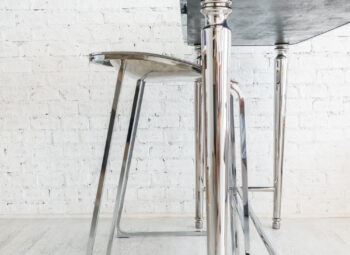
Stainless Steel Furniture Materials
Modern furniture designers increasingly prefer stainless steel.
Its sleek appearance complements contemporary living spaces beautifully.
Benefits of Stainless Steel Furniture
Several factors explain this growing demand.
Exceptional Durability
Unlike wood, stainless steel does not:
- Crack
- Warp
- Rot
- Attract termites
A well-made stainless steel table can last decades.
Low Maintenance
Cleaning is remarkably simple.
Usually, all you need is:
- Mild soap
- Water
- Soft microfiber cloth
No polishing compounds or expensive treatments are necessary.
Modern Appearance
The metallic sheen provides:
- Sophisticated aesthetics
- Timeless elegance
- Premium appeal
Whether placed in a luxury hotel or a modern apartment, stainless steel furniture blends effortlessly.
Popular Furniture Applications
Common examples include:
Residential Furniture
- Dining tables
- Chairs
- Kitchen shelves
- Shoe racks
Commercial Furniture
- Office desks
- Reception counters
- Cafeteria seating
Outdoor Furniture
Because of weather resistance, stainless steel performs exceptionally well outdoors.
Examples:
- Garden benches
- Poolside seating
- Balcony furniture
Factors to Consider Before Buying
Buying stainless steel products isn’t simply about choosing the cheapest option.
Several important considerations can save money in the long run.
Grade Selection
Always match the grade to environmental conditions.
General recommendations:
- Grade 202 – Indoor applications
- Grade 304 – Standard environments
- Grade 316 – Coastal or chemical environments
Surface Finish
Surface finish affects:
- Appearance
- Maintenance
- Scratch visibility
- Corrosion resistance
Choose finishes that align with your functional and aesthetic needs.
Thickness and Strength
Higher thickness generally means:
- Greater durability
- Better load capacity
- Longer lifespan
However, thicker materials also increase cost and weight.
Balancing these factors is crucial.
Advantages of Stainless Steel
Let’s summarize why stainless steel remains a favorite worldwide.
Major benefits include:
Corrosion Resistance
Its protective chromium layer fights rust effectively.
Long-Term Cost Savings
Initial investment may be higher, but replacement costs are significantly lower.
Eco-Friendly Material
Stainless steel is highly recyclable.
Manufacturers often use recycled content during production.
Fire Resistance
It maintains structural integrity under high temperatures.
Excellent Hygiene
Smooth surfaces prevent contamination buildup.
This makes it ideal for hospitals and food facilities.
Maintenance Tips
Want your stainless steel to look brand new for years?
Follow these simple tips.
Clean Regularly
Remove dust and dirt frequently.
Avoid Harsh Chemicals
Stay away from:
- Chlorine bleach
- Abrasive cleaners
- Steel wool pads
These products can damage protective layers.
Dry After Washing
Water spots can affect appearance.
Always wipe surfaces dry using a soft cloth.
Inspect Periodically
Regular inspections help identify:
- Surface scratches
- Corrosion signs
- Loose fittings
Early maintenance prevents expensive repairs.
Market Trends and Future Demand
The future of stainless steel looks bright.
Several factors continue driving growth.
Emerging trends include:
- Sustainable construction practices
- Smart furniture manufacturing
- Green building certifications
- Increased urbanization
- Rising infrastructure investments
Designers now use stainless steel not merely as a functional material but also as a statement of modern sophistication.
As industries seek durable and environmentally responsible solutions, stainless steel demand is expected to continue rising globally.
Conclusion
Stainless steel pipes, sheets, and furniture materials have transformed modern construction, manufacturing, and interior design. Their exceptional durability, corrosion resistance, aesthetic appeal, and sustainability make them a wise investment for both residential and commercial applications. Whether you’re selecting seamless pipes for industrial projects, decorative sheets for architectural designs, or elegant furniture for contemporary spaces, understanding stainless steel grades, finishes, and specifications can help you make informed purchasing decisions. In many ways, stainless steel is not just a material—it’s a long-term commitment to quality, performance, and timeless style.